


.png)


Upcoming Events
AlignED Care organizes engaging events for mental health professionals to enhance knowledge, foster partnerships, and foster a supportive community. Our workshops, trainings and community events introduce clinicians to diverse treatment modalities and encourage collaboration among peers.


Eating Disorder Case Consultation and CEDS Supervision
Are you looking to become a Certified Eating Disorder Specialist (CEDS)?
As a Certified Eating Disorder Specialist iaedp approved supervisor (CEDS-C), Robyn Caruso offers consultation to clinicians who work with or endeavor to work with eating disorders. Consultation is also available for those pursuing the CEDS certification and consultation hours with Robyn may be counted toward the CEDS credential. To become a CEDS-C in 2019, Robyn obtained 10,000+ hours of eating disorder experience in addition to other educational and experience requirements.
Robyn started working in the eating disorders field in 2008 and has worked at different levels of care including Residential, Partial Hospitalization (PHP) and Intensive Outpatient (IOP) and outpatient. Over the years, Robyn has had the opportunity to provide supervision to many clinicians and we have co-created a collaborative space to support their learning and growth. Robyn is currently teaching an Eating Disorder workshop at Antioch University, Los Angeles to graduate students in the M.A. Psychology program.
Robyn's approaches to treatment are centered around:
-
Dialectical Behavior Therapy
-
Somatic (polyvagal and Accelerated Resolution Therapy®)
-
Internal Family Systems-informed (IFS)
-
Experiential (Psychodrama)
-
Weight-inclusive and Intuitive Eating approaches
-
Identity-affirming care
-
Harm-reduction/trauma-informed
Robyn's experience working in primary eating disorders, primary mental health and substance use disorder facilities at all levels of care allows for in-depth support for co-occurring disorders.
-
Virtual via Zoom
-
Located anywhere
-
75% of your accrued hours require a supervisor within your own discipline
-
25% of your accrued hours may be supervised outside of your discipline
-
Visit iaedp for complete requirements
iaedp CEDS (Certified Eating Disorder Specialist) supervision:
Individual: $200/session (55 min)
Dyadic: $210 ($105 pp/60 min)
Contact me for information about current groups
Facilitated by:
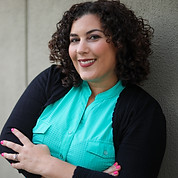
Robyn, a California Licensed Marriage and Family Therapist (LMFT #80168), Florida out-of-state telehealth provider (TPMF871) and Certified Eating Disorder Specialist/iaedpTM approved supervisor (#4246-S) with fifteen years of experience in direct client care and the inner workings of administrative oversight, is dedicated to providing a safe, healthy, nurturing and healing environment for those struggling with eating disorder and mental health issues. She currently operates a group practice (AlignED Care Eating Disorder and Mental Health Center) based out of California that offers virtual individual and family therapy, groups and CEDS supervision.
Adjunct (Accelerated Resolution Therapy®) ART® Sessions
Partnering to Support your Clients
We understand how challenging it can be when a client appears stuck, despite your best efforts. Whether they’re navigating trauma, anxiety, depression, relational issues, eating disorders or other barriers, some clients may need a targeted intervention but aren’t ready—or able—to transition to a higher level of care.
That’s where we come in.
When Adjunct ART® Sessions Can Help:
-
A client meets criteria for trauma or complex emotional needs but isn’t ready for an intensive program.
-
Logistical challenges prevent them from accessing higher levels of care.
-
Persistent symptoms like intrusive thoughts, avoidance, or dissociation are making progress slow or feel stalled.
-
You feel like you’ve tried every approach, and both you and the client need a focused, fresh perspective.
Why Adjunct ART® is Different:
-
No need to transfer care: Clients can remain in therapy with you while accessing short-term ART® sessions as a complement to your work.
-
ART® can be short-term and often provides relief in as few as 1–5 sessions, helping clients process trauma, stuck emotions, or distressing memories quickly and effectively.
-
Clients do not need to share a lot of details about their distress or trauma for ART® to be effective.
-
We partner with you to ensure ART® sessions align seamlessly with your treatment plan and goals you have established with the client.
Help Your Clients Get Unstuck
Adjunct ART® sessions can help your clients move past barriers and return to your sessions with renewed focus, reduced symptoms, and readiness to engage.
Visit www.alignedcarecenter.com/art to explore how adjunct ART® can support your clients and enhance their therapeutic progress.
Robyn Caruso is a co-founder of California Pathways to Practice.
Our events are designed to support mental health clinicians* by connecting them with experienced professionals and providing training in essential areas.
*Students in masters or doctoral programs, Associate and Licensed social workers, counselors, therapists, psychologists, RNs, LVNs, PhD, Psych NP, DO, NP and registered/licensed professionals working in the mental health space who are working clinically (meaning primary job function is seeing clients)
Our mission is to provide clinicians with comprehensive resources and support through educational and networking events. We aim to bridge the gap between graduation and professional practice by offering training in essential areas such as networking, financial planning, specialization, and ethical practice. By connecting emerging therapists with experienced professionals, we create opportunities for growth, collaboration, and employment, ensuring that the future of mental health care is in capable and compassionate hands.
Educational Sessions
Covering topics such as clinical innovations, business and marketing tools and strategy, career-planning and more.
Networking Opportunities
Structured meetings outside of educational sessions and exhibit hall conversations to connect with peers and industry leaders.
Exhibit Hall
Engage with exhibitors showcasing the latest tools and resources for mental health professionals.
California Pathways to Practice